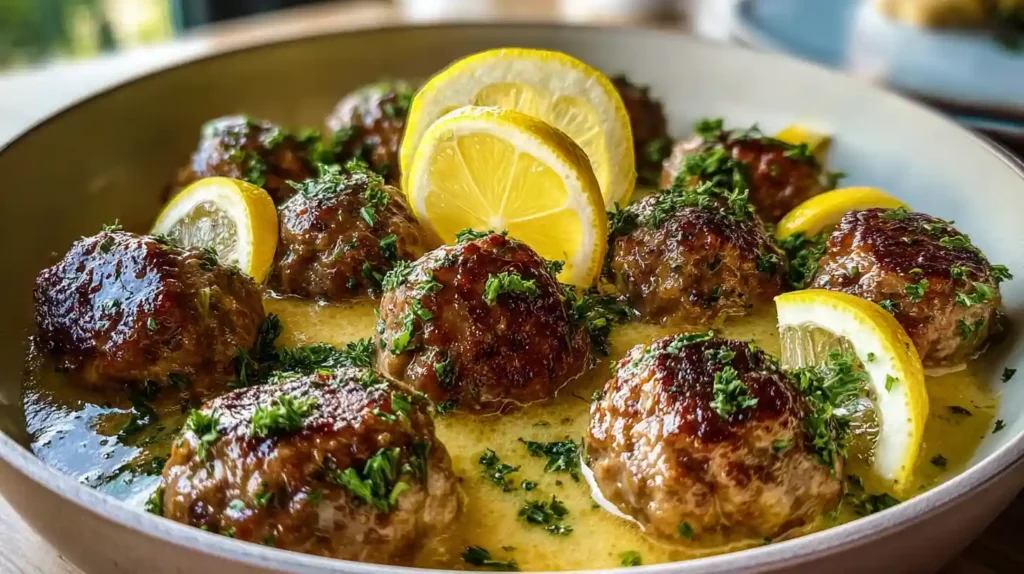
My Greek grandmother used to make these meatballs every Sunday after church, and the smell would hit you the moment you opened her front door. That bright, tangy lemon scent mixed with herbs and slowly simmered meat created an aroma so comforting it felt like a warm hug. She called them Youvarlakia Avgolemono, and they were unlike any meatball I’d ever eaten. Instead of being dense and heavy, they were impossibly light and tender, almost pillowy, with rice cooked inside that absorbed all the flavors. The sauce was magic – creamy and lemony but with no cream at all, just eggs and lemon juice whisked into hot broth. I spent years trying to recreate her version, and these Greek meatballs finally capture that same soul-warming quality. They’re not complicated, but the technique matters, and once you nail it, you’ll understand why this dish has been a Greek comfort food staple for generations.
What Makes These Meatballs Special
The defining characteristic of Greek Youvarlakia is the uncooked rice mixed directly into the meat. As the meatballs simmer, the rice absorbs liquid and expands, creating an incredibly tender texture while thickening the broth naturally. This isn’t like adding breadcrumbs for binding; the rice fundamentally changes the structure, making each meatball soft enough to cut with a fork yet substantial enough to hold together perfectly.
The avgolemono sauce is the other game-changer. This classic Greek egg-lemon sauce transforms simple chicken broth into something luxurious and velvety without any dairy. The technique of tempering – slowly adding hot liquid to beaten eggs – prevents curdling and creates that signature silky texture. The lemon juice adds brightness that cuts through the richness of the meat, creating perfect balance. Fresh herbs like dill and parsley bring aromatic freshness that makes the whole dish smell like spring in the Mediterranean.
Ingredient Breakdown
For the meatballs, you’ll need one pound of ground beef, though a fifty-fifty mix of beef and pork creates even more flavor and moisture. One small onion gets finely grated; the grater releases its juices, which keep the meatballs moist from within. A quarter cup of uncooked arborio rice is essential – its starchiness helps bind everything while adding that characteristic tender texture. Two tablespoons of fresh chopped parsley and one tablespoon of fresh dill provide authentic Greek flavor, though you can adjust the ratio if you’re not a dill fan.
One egg binds the mixture together. Salt, black pepper, and half a teaspoon of dried oregano season the meat. For the cooking liquid and sauce, you need four cups of chicken broth (homemade or good-quality store-bought), two tablespoons of olive oil, two eggs for the avgolemono, and juice from two lemons – about a quarter cup. The lemon juice amount can be adjusted to taste; some prefer it more subtle, others love that bright, forward lemon flavor.
Preparing the Meatball Mixture
Start by rinsing your arborio rice under cold water until the water runs clear. This removes excess surface starch that would make the meatballs gummy. Drain it well. In a large bowl, combine the ground beef, grated onion, rinsed rice, chopped parsley and dill, one egg, oregano, and generous pinches of salt and pepper. Here’s where technique matters: mix gently with your hands just until everything is evenly distributed.
Overmixing develops the proteins in the meat, creating tough, dense meatballs. You want to handle the mixture as little as possible while ensuring all ingredients are incorporated. The mixture will feel softer and wetter than typical meatball mixtures because of the grated onion and the fact that there’s no breadcrumb filler. This is exactly right. Shape them into golf ball-sized portions, wetting your hands slightly between each one to prevent sticking.
Chilling the shaped meatballs for fifteen to twenty minutes is crucial. This firming step helps them hold their shape during the initial stages of cooking when they’re most fragile. While they chill, you can prepare your cooking liquid, making this a good time to get everything else ready.
Simmering the Meatballs
Pour your chicken broth and olive oil into a wide, deep skillet or shallow pot. The pan should be large enough that the meatballs can sit in a single layer without crowding. Bring the liquid to a gentle simmer over medium heat. Once it’s bubbling softly, carefully lower the chilled meatballs into the broth using a slotted spoon. They should be mostly submerged but it’s fine if the tops peek out slightly.
Cover the pan and reduce the heat to low. The key is maintaining a bare simmer – just a few lazy bubbles breaking the surface. Aggressive boiling will cause the meatballs to break apart and the rice to release too much starch, creating a gluey texture. Let them cook undisturbed for about thirty minutes. You’ll know they’re done when the rice inside is tender and the meat is cooked through. The broth will have reduced slightly and thickened from the rice.
Making the Avgolemono Sauce
This is where magic happens, but it’s also where things can go wrong if you’re not careful. In a medium bowl, whisk together two eggs and the juice of two lemons until very well combined and slightly frothy. The whisking aerates the eggs, which helps prevent curdling. Now comes the crucial tempering step. Using a ladle, scoop up some of the hot broth from the pot with the meatballs.
Slowly drizzle this hot broth into the egg-lemon mixture while whisking constantly. Don’t dump it in; add it in a thin stream. This gradual addition raises the temperature of the eggs gently, preventing them from scrambling. Add two or three ladles of hot broth this way until the egg mixture feels warm to the touch. Now it’s safe to add this tempered mixture back into the pot.
Pour the egg-lemon sauce into the pot with the meatballs, gently stirring or swirling the pan to distribute it evenly. Do not let the mixture come to a boil after adding the eggs. Keep the heat very low and stir gently for a minute or two until the sauce thickens slightly and becomes creamy. It won’t be thick like gravy; think more like a silky, pourable sauce that coats the back of a spoon. Once it reaches this consistency, remove from heat immediately.
Choosing the Right Pan
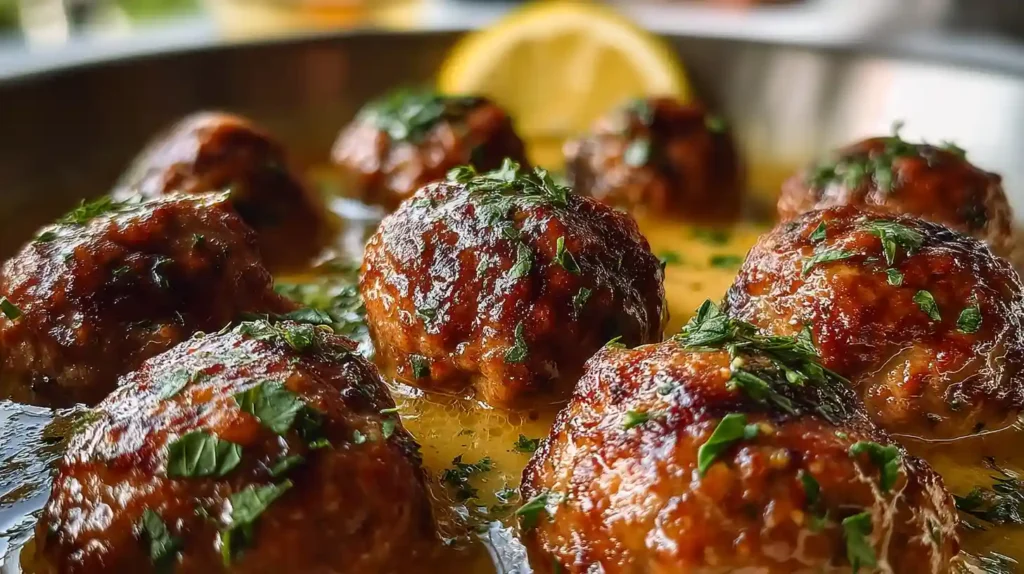
A wide stainless steel sauté pan with a lid is ideal for this recipe. The wide base allows meatballs to cook in a single layer, ensuring even heat distribution. Stainless steel conducts heat steadily without hot spots, perfect for the gentle simmer these meatballs need. A heavy-bottomed pan also helps maintain consistent temperature, which is crucial when you’re working with the delicate avgolemono sauce.
Avoid shallow nonstick skillets because they don’t retain heat well and can cause uneven cooking. Cast iron works but retains so much heat that temperature control becomes tricky when you need that gentle simmer. Enameled cast iron like Le Creuset is actually perfect if you have it. Glass or ceramic pans don’t distribute heat evenly enough for this technique.
Common Mistakes to Avoid
The biggest mistake is skipping the rice rinse. Unwashed arborio rice releases excessive starch during cooking, creating gummy, sticky meatballs and a cloudy, thick sauce that’s more like porridge than silky broth. Always rinse until the water runs clear. Another critical error is letting the sauce boil after adding the eggs. Even a rolling simmer is too hot; you’ll end up with scrambled eggs floating in broth instead of a smooth, creamy sauce.
Overmixing the meat makes tough, dense meatballs. Think of it like making biscuits – less handling is better. Crowding the pan is problematic too. If meatballs are packed too tightly, they won’t cook evenly, and some might fall apart as you try to maneuver around them. Using lean meat creates dry meatballs since there’s no fat to keep them moist during the long simmer. Stick with regular ground beef or add some pork for best results.
Serving Suggestions
These meatballs are traditionally served as a main course with plenty of sauce spooned over the top. Creamy mashed potatoes are classic – the sauce soaks into them beautifully. Crusty bread for mopping up every drop of that lemony goodness is non-negotiable in my house. You can also serve them over rice, orzo, or even egg noodles. A simple Greek salad on the side with tomatoes, cucumbers, olives, and feta provides fresh contrast.
For a more elegant presentation, I sometimes serve smaller meatballs as an appetizer, plated in shallow bowls with extra dill and a lemon wedge. They’re surprisingly festive for holiday gatherings – the bright sauce and fresh herbs look beautiful on a table. Leftovers are incredible; the flavors actually deepen overnight as everything melds together.
Storage and Reheating
Store leftover meatballs and sauce together in an airtight container in the refrigerator for up to four days. The sauce will thicken considerably as it cools, which is completely normal. To reheat, place them in a saucepan over low heat, adding a splash of chicken broth or water to thin the sauce back out. Stir gently and heat just until warmed through; don’t let it boil or the sauce will separate.
You can freeze these, but do it before adding the avgolemono sauce. Freeze the cooked meatballs in their cooking broth for up to three months. Thaw overnight in the refrigerator, reheat gently, and make fresh avgolemono to finish the dish. The texture is nearly identical to fresh this way.
Variations to Try
Ground turkey or chicken creates a lighter version, perfect for those watching fat intake. Just be extra careful not to overcook since lean poultry dries out faster. A combination of beef and lamb is traditional in some Greek regions and adds wonderful depth. For the herbs, you can swap in fresh mint for a different but equally authentic flavor profile. Some cooks add a pinch of cinnamon or allspice to the meat mixture for warmth.
The sauce can be adjusted to your preference. Use more or less lemon juice, or add lemon zest for extra brightness without more acidity. A handful of baby spinach or chopped Swiss chard stirred into the sauce at the end adds color and nutrition. For a richer version, some cooks add a tablespoon of butter to the finished sauce.
Frequently Asked Questions
Can I skip the rice in the meatballs?
No, the rice is essential to the texture and character of Youvarlakia. Without it, you just have regular meatballs in lemon sauce, which is nice but not the same dish. The rice creates that signature tender, almost fluffy texture.
What if my avgolemono sauce curdles?
Unfortunately, once it curdles, you can’t fix it. Prevention is key: always temper the eggs by adding hot liquid gradually while whisking, never let the mixture boil after adding eggs, and remove from heat as soon as it thickens. If disaster strikes, strain out the curdled bits and the meatballs will still taste delicious.
Can I use jasmine or basmati rice instead of arborio?
Arborio is traditional because its starch helps bind and thicken, but any short-grain white rice works. Long-grain varieties like basmati or jasmine don’t release as much starch and stay more separate, changing the texture slightly. If you use them, the meatballs will still be good but not quite as cohesive.
How do I know when the meatballs are fully cooked?
Cut one open after thirty minutes. The meat should be cooked through with no pink, and the rice should be tender when you bite it. If the rice still has a hard center, they need more time. Add a splash more broth if the liquid is getting too low and continue simmering.
Can I make these ahead of time?
You can shape and chill the raw meatballs a day ahead. You can also cook them completely in the broth and refrigerate, then make fresh avgolemono when you’re ready to serve. The sauce doesn’t hold well once made, so always prepare it fresh for best texture.
Why are my meatballs falling apart?
This usually happens if you skipped chilling them, boiled them too aggressively instead of gently simmering, or crowded the pan so they bumped into each other during cooking. Make sure they’re well-chilled before cooking and maintain that gentle simmer.
What herbs can I substitute for dill?
Fresh mint is traditional in some Greek households and provides a different but equally authentic flavor. Thyme works in a pinch, though it’s less traditional. Avoid basil or cilantro, which don’t fit the flavor profile. If you dislike dill entirely, just use more parsley.
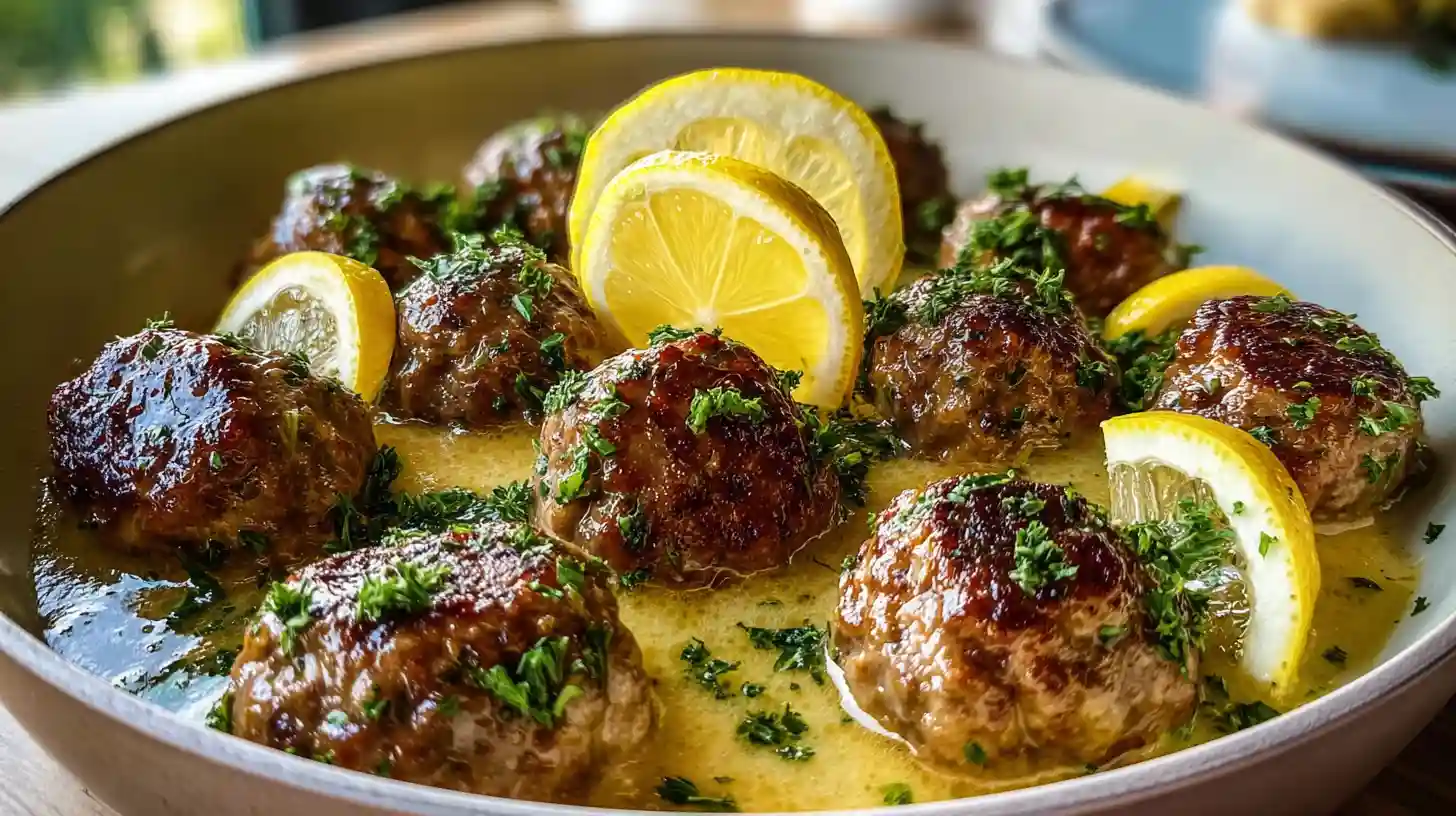

The Softest and Juiciest Greek Meatballs in Lemon Sauce
Ingredients
Equipment
Method
- Rinse arborio rice under cold water until water runs clear. Drain well. In a large bowl, combine ground beef, grated onion, rinsed rice, parsley, dill, 1 egg, oregano, salt, and pepper. Mix gently with hands just until combined. Shape into golf ball-sized meatballs. Chill for 15-20 minutes.
- In a wide sauté pan or shallow pot, bring chicken broth and olive oil to a gentle simmer. Carefully add chilled meatballs in a single layer. Cover and reduce heat to low. Simmer gently for 30 minutes until rice is tender and meatballs are cooked through.
- In a bowl, whisk together 2 eggs and lemon juice until frothy. Slowly add 2-3 ladles of hot broth to egg mixture while whisking constantly to temper. Pour tempered egg mixture back into pot with meatballs, gently stirring to combine.
- Keep heat very low and stir gently for 1-2 minutes until sauce thickens slightly and becomes creamy. Do not let it boil. Remove from heat immediately once sauce coats the back of a spoon.
- Serve warm, garnished with fresh dill and lemon wedges if desired. Spoon extra sauce over meatballs when plating.