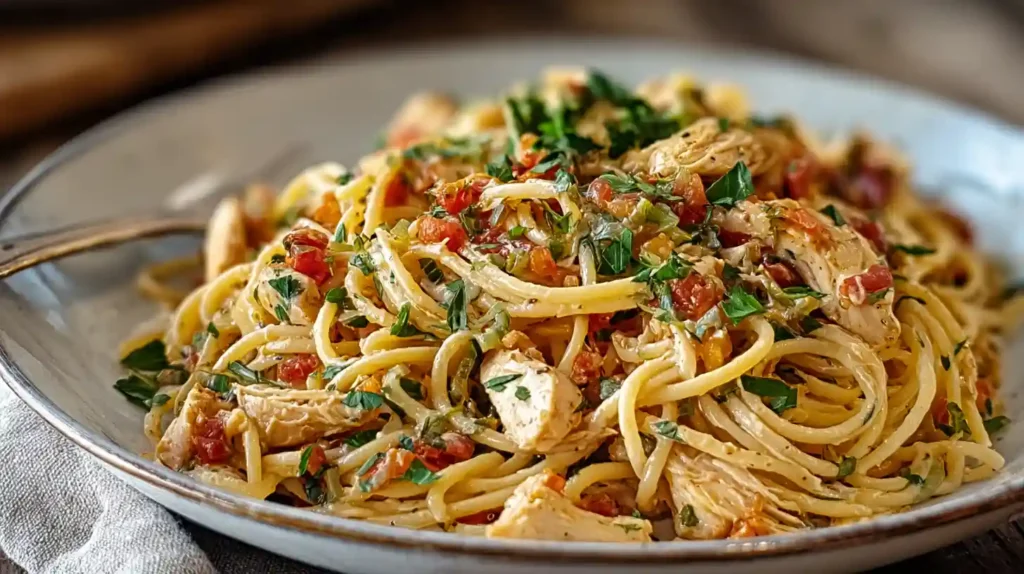
Some recipes earn their place in your regular dinner rotation not because they’re trendy or complicated, but because they deliver exactly what you crave when you want comfort food that doesn’t require hours in the kitchen. Monterey chicken spaghetti is one of those recipes for me – a creamy, cheesy pasta bake that combines tender chicken with sautéed vegetables and a luscious sauce, all topped with melted Monterey Jack and cheddar cheese. I first made this dish on a particularly busy Tuesday evening when I needed something satisfying but didn’t have time for an elaborate meal. The combination of convenience and indulgence won me over immediately. What makes this recipe special is how it transforms simple ingredients – cooked chicken, pasta, cream of chicken soup, and cheese – into something that tastes like you spent hours on it. The sauce is rich and velvety, coating every strand of spaghetti and piece of chicken with creamy goodness. The vegetables add texture and freshness that keep the dish from feeling too heavy. The melted cheese on top creates those irresistible golden, bubbly spots that everyone fights over. This is the kind of meal that brings the family to the table without complaint, satisfies even the pickiest eaters, and leaves everyone feeling full and content. It’s also incredibly practical – you can make it ahead, it reheats beautifully for leftovers, and it adapts easily to whatever you have in your pantry or fridge. Whether you’re feeding a crowd, looking for a reliable weeknight dinner, or need a dish to bring to a potluck, Monterey chicken spaghetti delivers every single time.
What Makes This Dish Special
Monterey chicken spaghetti occupies that perfect sweet spot between homemade comfort food and convenient weeknight cooking. Unlike pasta dishes with complicated sauces that require precise timing and technique, this recipe relies on cream of chicken soup as a base, which provides consistent, reliable creaminess without the fuss of making a béchamel or cream sauce from scratch. The soup acts as both a sauce base and a flavor enhancer, bringing savory chicken flavor that ties everything together. Sour cream adds tanginess that cuts through the richness and creates a more complex flavor profile than you’d get from cream alone. The combination creates a sauce that’s luxurious without being heavy or greasy.
The Monterey Jack cheese is the star ingredient that gives this dish its name and character. Unlike sharper cheddars or more assertive cheeses, Monterey Jack has a mild, buttery flavor and melts beautifully into a creamy, stretchy texture. It blends seamlessly into the sauce while still providing that cheese pull when you serve it. The addition of cheddar cheese on top provides more color and a slightly sharper flavor that complements the Monterey Jack perfectly. The vegetables – onions, bell peppers, and mushrooms – add texture and nutritional value while contributing their own flavors. The onions provide sweetness and depth, the peppers add freshness and slight crunch, and the mushrooms bring earthiness and umami that makes the dish more satisfying. These vegetables also help break up the richness, making the dish feel more balanced and less monotonous.
Preparing Your Chicken
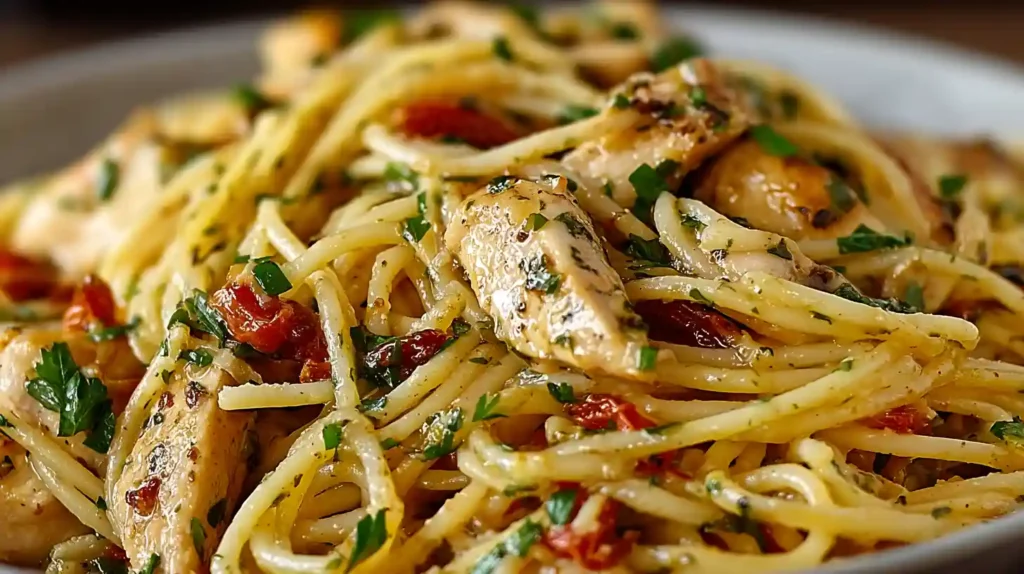
The chicken is the protein foundation of this dish, and how you prepare it impacts both flavor and convenience. You’ll need about two cups of cooked, shredded chicken, which is roughly what you get from two medium chicken breasts. The easiest and most flavorful option is using rotisserie chicken from the grocery store. A single rotisserie chicken provides more than enough meat for this recipe, and the pre-seasoning adds extra flavor without any effort on your part. Just remove the skin, pull the meat off the bones, and shred it with your hands or two forks. This takes about five minutes and saves you all the cooking time.
If you prefer to cook your own chicken, you have several methods to choose from. Poaching chicken breasts in simmering water or broth produces tender, shreddable meat. Place the chicken breasts in a pot, cover with water or broth, add a pinch of salt, and simmer for about fifteen to twenty minutes until cooked through. Let them cool slightly before shredding. Baking is another excellent option – season the chicken breasts with salt, pepper, and garlic powder, place them in a baking dish, and bake at 375°F for about twenty-five to thirty minutes until they reach 165°F internally. Cover the dish with foil to keep the chicken moist. Using a slow cooker is perfect if you’re planning ahead – place chicken breasts in the slow cooker with a bit of broth, cook on low for six to eight hours or high for three to four hours, and the chicken will be incredibly tender and easy to shred.
Leftover grilled chicken works wonderfully and adds a subtle smoky flavor. Even canned chicken can work in a pinch, though the texture isn’t quite as good and the flavor is milder. Whatever chicken you use, make sure it’s well-seasoned or has good flavor. If using plain poached or baked chicken, season it with salt, pepper, and garlic powder before adding it to the dish. The chicken should be shredded into bite-sized pieces – not too small that they disappear into the sauce, but not so large that they’re difficult to eat with pasta. Chicken thighs instead of breasts will give you more flavor and moisture, though they also have more fat. Dark meat stays juicier and adds richer flavor that some people prefer.
Cooking Perfect Pasta
The pasta is what makes this a complete, filling meal, and cooking it properly ensures the best texture in the finished dish. Traditional spaghetti works perfectly and is what gives the dish its name, but you’re not limited to spaghetti if you prefer something else. Penne, rigatoni, or rotini work beautifully because their shapes hold the sauce well. Fettuccine or linguine provide a different but equally delicious experience. Even broken lasagna noodles work if that’s what you have on hand. Eight ounces of dried pasta is the right amount for this recipe, providing enough to make it a substantial meal without overwhelming the other ingredients.
Cook the pasta according to the package directions until al dente – tender but still with a slight firmness when you bite into it. This usually takes eight to ten minutes for most dried pasta. Al dente is crucial because the pasta will continue to cook when you mix it with the hot sauce and especially if you bake the dish afterward. If you cook the pasta until completely soft initially, it will become mushy by the time you serve it. Use plenty of water – at least four quarts for eight ounces of pasta – so the pasta has room to move around and cook evenly. Salt the water generously, about two tablespoons per four quarts. This is your only opportunity to season the pasta itself, and under-salted pasta tastes bland even with a flavorful sauce.
Drain the pasta in a colander as soon as it reaches al dente. Don’t rinse it unless you’re not planning to mix it with the sauce immediately – the starchy coating helps the sauce cling to the pasta. If you need to hold the pasta for a few minutes before mixing it with the sauce, toss it with a tiny bit of olive oil to prevent sticking. You can cook the pasta while preparing the other components of the dish, timing it so everything finishes around the same time. If meal prepping or making the dish ahead, you can undercook the pasta by about two minutes since it will finish cooking when reheated or baked. For gluten-free versions, use your favorite gluten-free pasta and follow the package directions, keeping in mind that gluten-free pasta sometimes needs different timing and techniques.
Sautéing the Vegetables
The sautéed vegetables add flavor, texture, and nutritional value that elevate this from a simple chicken and pasta casserole to something more interesting and balanced. Start by heating a tablespoon of olive oil in a large skillet over medium heat. You want the pan hot enough to cook the vegetables without steaming them, but not so hot that they burn before they soften. Once the oil shimmers, add half a cup of chopped onion. Yellow or white onions work best for their balance of sweetness and sharpness. Cook the onions for about two to three minutes, stirring occasionally, until they start to soften and become translucent. The onions provide a flavorful base that supports all the other ingredients.
Add half a cup of chopped bell pepper to the skillet with the onions. Red, yellow, or orange bell peppers add sweetness and bright color, while green bell peppers contribute a slightly more vegetal, assertive flavor. I usually use red or yellow because I prefer the sweetness, but use whatever you like or have available. Cut the peppers into pieces roughly the same size as the onions so everything cooks evenly. After adding the peppers, add half a cup of sliced mushrooms. Button mushrooms are most common and work perfectly, but cremini or baby bella mushrooms add richer, earthier flavor. Clean the mushrooms by wiping them with a damp paper towel rather than rinsing them under water, which makes them soggy. Slice them about a quarter-inch thick so they maintain some texture after cooking.
Sauté all the vegetables together for about five to seven minutes, stirring occasionally to prevent burning. You want them softened and slightly browned around the edges, which develops flavor through caramelization. The vegetables should shrink noticeably and release their moisture. Season them lightly with salt and pepper while they cook – this seasons them from the inside and draws out more flavor. Don’t rush this step by turning up the heat too high, as that will burn the outsides before the insides soften. If the pan seems dry, add a splash more oil. The vegetables are ready when the onions are completely soft and translucent, the peppers have softened but still have a slight bite, and the mushrooms have released their moisture and started to brown. These vegetables form the flavor foundation of the sauce, so taking time to cook them properly pays off in the final dish.
Creating the Creamy Sauce
The sauce is what makes this dish truly comforting and crave-worthy, coating everything in creamy, flavorful goodness. Once your vegetables are perfectly sautéed, it’s time to build the sauce right in the same skillet. Add one ten-and-a-half-ounce can of cream of chicken soup directly to the vegetables. Cream of chicken soup might not be fancy, but it’s incredibly effective here, providing a creamy base with chicken flavor that’s already perfectly balanced. Stir it into the vegetables until everything is well combined. The soup will seem thick at first, but you’ll be thinning it out with other ingredients.
Add one cup of sour cream to the skillet. Full-fat sour cream provides the richest, creamiest results, but reduced-fat sour cream works if you’re trying to lighten the dish. The sour cream adds tanginess that balances the richness and makes the sauce more complex and interesting than it would be with just the soup. Stir the sour cream into the soup and vegetables until the mixture is smooth and uniform. Add half a cup of milk to thin the sauce to the right consistency. Whole milk creates the richest sauce, but two-percent or even skim milk works fine. For a slightly different flavor and lower calories, you can use chicken broth instead of milk. The liquid helps the sauce coat the pasta properly rather than being too thick and gloppy.
Season the sauce with half a teaspoon of garlic powder and half a teaspoon of onion powder. These dried seasonings add depth without adding moisture or texture. Fresh garlic would be lovely too – use one or two minced cloves if you prefer fresh. Add salt and pepper to taste, keeping in mind that the soup, cheese, and chicken all contribute saltiness, so go easy at first. Stir everything together and let it cook for two to three minutes over medium heat until the sauce is smooth, heated through, and slightly thickened. Taste it and adjust the seasonings as needed. The sauce should be creamy and pourable but not watery. It should taste flavorful enough that you’d be happy to eat it on its own. This sauce is the soul of the dish, so make sure you’re happy with the flavor before proceeding.
Bringing It All Together
Now comes the satisfying part where everything comes together into the finished dish. Add your two cups of cooked, shredded chicken to the skillet with the sauce. Stir it in gently but thoroughly so every piece of chicken gets coated with the creamy sauce. The chicken should be distributed evenly throughout rather than clumped in certain areas. Let this cook for about two to three minutes, stirring occasionally, until the chicken is heated through. If you’re using cold rotisserie chicken from the fridge, you might need an extra minute or two to warm it properly. The chicken should be hot all the way through before you proceed.
Add half a cup of shredded Monterey Jack cheese to the skillet. Stir it into the sauce and chicken mixture until it melts completely, creating an even creamier, more luxurious sauce. The Monterey Jack melts smoothly and adds that characteristic mild, buttery cheese flavor that defines this dish. Save the remaining half cup of Monterey Jack along with the cheddar for topping later if you’re baking the dish. At this point, you have a choice about how to proceed. You can serve the dish as-is, straight from the skillet, for a quick stovetop version that’s ready in minimal time. This works perfectly well and tastes delicious. Simply add your cooked, drained pasta to the skillet and toss everything together until the pasta is well coated with the sauce. Transfer to a serving dish or serve directly from the skillet.
For a more traditional casserole-style presentation with a gorgeous melted cheese topping, you’ll want to bake it. After mixing the pasta into the chicken and sauce in the skillet, transfer everything to a greased nine-by-thirteen-inch baking dish. Spread it out evenly in the dish. Top with the remaining half cup of Monterey Jack cheese and half a cup of shredded cheddar cheese, distributing them evenly across the top. The combination of cheeses creates the best flavor and appearance – the Monterey Jack provides stretch and creaminess while the cheddar adds color and slightly sharper flavor. At this point, you can cover the dish and refrigerate it for up to twenty-four hours if you’re making it ahead, or proceed immediately to baking. The assembled casserole is surprisingly flexible and actually benefits from sitting for a bit, as the flavors meld together even more.
Baking to Perfection
If you’ve decided to bake your Monterey chicken spaghetti for that irresistible melted cheese topping, preheat your oven to 350°F. This moderate temperature ensures the dish heats through evenly without drying out or burning the cheese. If you’re baking the dish immediately after assembling it, it only needs about twenty to twenty-five minutes in the oven since everything is already hot. The goal is to melt the cheese on top and get it golden and bubbly around the edges. You’ll know it’s ready when the cheese is completely melted with those desirable brown spots appearing around the edges and the sauce is bubbling up around the sides of the dish.
If you’re baking the dish straight from the refrigerator after making it ahead, you’ll need to add extra time – usually about fifteen to twenty additional minutes, bringing the total to thirty-five to forty-five minutes. The dish should be heated through to the center, which you can test by inserting a knife or fork into the middle and feeling if it’s hot. For an extra golden, crispy cheese topping, you can turn on the broiler for the last two to three minutes of baking. Watch it very carefully during this time as the cheese can go from beautifully golden to burnt in seconds under the broiler. The intense heat creates those deeply caramelized spots on the cheese that everyone loves.
If you’re baking a dish that was frozen, thaw it overnight in the refrigerator first for best results. Then bake covered with foil at 350°F for about thirty minutes, remove the foil, and bake for another fifteen to twenty minutes until heated through and the cheese is melted and golden. Starting covered prevents the top from browning too much before the inside heats through. Let the baked casserole rest for about five minutes after removing it from the oven. This allows the sauce to thicken slightly and makes it easier to serve neat portions. Garnish with freshly chopped parsley for a pop of color and fresh flavor that brightens the rich dish. The parsley isn’t just decorative – its fresh, slightly peppery flavor provides a nice contrast to all that creamy richness.
Serving Suggestions
Monterey chicken spaghetti is substantial enough to be a complete meal on its own, but pairing it with a few simple sides creates a more balanced and satisfying dinner. The dish is quite rich and creamy, so sides that add freshness, acidity, or crunch work best. A simple green salad with a tangy vinaigrette is classic and effective. Use mixed greens, romaine, or spinach with cherry tomatoes, cucumber, and your favorite dressing. The fresh, crisp vegetables and acidic dressing cut through the richness of the pasta and refresh your palate between bites. A Caesar salad works particularly well since its bold flavors can stand up to the creamy pasta.
Garlic bread is a natural pairing that never disappoints. The crispy, buttery bread is perfect for soaking up any extra sauce on your plate. You can make homemade garlic bread or use frozen garlic bread from the store for convenience. Steamed or roasted vegetables add nutritional value and color to the plate. Try broccoli, green beans, asparagus, or Brussels sprouts seasoned simply with salt, pepper, and a squeeze of lemon. The vegetables provide texture and freshness that balance the creamy pasta. Coleslaw is another excellent choice, especially if you’re serving this casserole at a casual gathering or potluck. The cool, crunchy slaw with its tangy dressing complements the warm, rich pasta perfectly.
For beverages, iced tea or lemonade work well for casual dinners. If serving wine, a crisp white like Chardonnay or Sauvignon Blanc has enough acidity to balance the richness, or a light red like Pinot Noir won’t overwhelm the dish. This casserole is perfect for potlucks, family gatherings, or bringing to someone who needs a meal. It travels well, serves a crowd, and is universally appealing. Most people, even picky eaters, enjoy creamy chicken and pasta. For serving at parties or buffets, this dish stays warm for quite a while in the baking dish. You can keep it warm in a low oven (200°F) for up to an hour if needed. Just add a splash of milk if it seems to be drying out.
Variations and Customizations
One of the best things about Monterey chicken spaghetti is how easily it adapts to different tastes, dietary needs, and what you have available. For a spicier version that adds kick without overwhelming, add diced jalapeños to the sautéed vegetables or use pepper jack cheese instead of regular Monterey Jack. A quarter to half teaspoon of red pepper flakes mixed into the sauce provides adjustable heat. Chipotle peppers in adobo sauce, finely chopped and stirred in, add smoky heat that’s particularly delicious. For a lighter version that reduces calories and fat, use reduced-fat cream of chicken soup, light sour cream, and reduced-fat cheeses. Substitute chicken broth for the milk. These changes reduce the richness noticeably but still produce a tasty dish.
To add more vegetables and boost nutrition, include diced zucchini, broccoli florets, or spinach along with the other vegetables. Frozen mixed vegetables work too if that’s what you have. Just make sure to thaw and drain them well before adding. For a heartier, more substantial version, add a can of drained and rinsed black beans or white beans. This increases the protein and fiber while adding texture. Cooked bacon crumbled on top before baking adds smoky, salty richness that many people love. For different cheese profiles, try using all cheddar for a sharper, more assertive flavor, Colby Jack for a mild, classic taste, or Mexican blend cheese for a Southwestern vibe. Mozzarella creates an extra stretchy, gooey texture.
For protein variations, ground beef or ground turkey browned with taco seasoning creates a Mexican-inspired version. Cooked shrimp instead of chicken makes an elegant seafood variation. For vegetarian versions, omit the chicken entirely and load up on vegetables, or use plant-based chicken alternatives which work surprisingly well. Use cream of mushroom soup instead of cream of chicken for a vegetarian-friendly sauce base. Different pasta shapes change the eating experience – penne and rigatoni are particularly good at catching the sauce, while bow ties or shells add visual interest. Gluten-free pasta works well for those with gluten sensitivities, just follow the package directions carefully as cooking times vary. The basic formula is flexible enough to accommodate all these changes while still delivering that comforting, creamy, cheesy satisfaction that makes the dish so appealing.
Make-Ahead and Storage
Monterey chicken spaghetti is an excellent make-ahead dish that actually benefits from sitting for a while as the flavors meld together. You can prepare the entire casserole up to the baking step, cover it tightly with plastic wrap or aluminum foil, and refrigerate it for up to twenty-four hours before baking. This makes it perfect for busy weeknights – do all the prep work the night before or in the morning, then just pop it in the oven when you’re ready to eat. When baking from the refrigerator, remember to add fifteen to twenty extra minutes to the baking time since you’re starting with a cold dish. You can also prepare components separately ahead of time. Cook and shred the chicken, prepare the sauce, and cook the vegetables, then store everything in separate containers in the refrigerator for up to two days. When you’re ready to assemble, everything comes together quickly.
Leftover Monterey chicken spaghetti stores beautifully, making it excellent for meal prep or lunches throughout the week. Transfer cooled leftovers to an airtight container and refrigerate for up to three to four days. The pasta absorbs some of the sauce as it sits, so leftovers might seem less saucy than the fresh dish. When reheating, add a splash of milk or chicken broth to loosen the sauce and restore creaminess. Reheat individual portions in the microwave for one to two minutes, stirring halfway through. For larger portions, reheat in a covered dish in a 350°F oven for about fifteen to twenty minutes until heated through. You can also reheat in a skillet over medium heat, stirring frequently and adding liquid as needed.
This casserole freezes reasonably well, though the texture of the pasta and sauce changes slightly after freezing and thawing. To freeze, assemble the casserole in a freezer-safe dish or divide into individual portions. Wrap tightly with plastic wrap and then aluminum foil to prevent freezer burn. Freeze for up to two months. Thaw overnight in the refrigerator before baking. Alternatively, you can bake the casserole, let it cool completely, then freeze it in portions. This works well for quick single servings – just reheat from frozen in the microwave, adding a bit of extra time. The convenience of having a homemade meal ready to grab from the freezer makes the slight texture change worthwhile for many people. Label everything with the date and contents so you know what you have and how long it’s been frozen.
Troubleshooting Common Issues
If your Monterey chicken spaghetti turns out too dry with pasta that isn’t well coated in sauce, you probably didn’t use enough liquid in the sauce or the pasta absorbed too much while baking. Make sure to add the full half cup of milk or broth called for, and don’t overbake the casserole. If it does turn out dry, stir in some additional milk, broth, or even a bit more sour cream when reheating. If the dish is too watery or soupy with sauce pooling in the bottom, you may have added too much liquid or didn’t drain the pasta well enough. The solution is either to bake it a bit longer uncovered so some liquid evaporates, or to stir in a bit more cheese which will help thicken the sauce as it melts.
If the pasta is mushy rather than al dente, you cooked it too long initially. Remember that pasta continues cooking when mixed with the hot sauce and especially when baked, so it needs to be slightly undercooked when you drain it. If the cheese on top isn’t browning nicely, your oven might not be hot enough or you need to bake it longer. You can always finish it under the broiler for a minute or two to achieve that golden, bubbly top. If the dish tastes bland or flat, it needs more seasoning. Salt is crucial for bringing out flavors – add more salt to the sauce and make sure you seasoned your pasta water well. Garlic powder, onion powder, or a bit of hot sauce can also boost flavor if it seems lackluster.
If the vegetables are still crunchy rather than soft, you didn’t sauté them long enough initially. They need a full five to seven minutes to soften properly. If the sauce separates or looks curdled, the heat might have been too high when you added the sour cream. Sour cream can break if heated too aggressively. Remove the pan from heat and whisk vigorously to bring it back together, or stir in a bit more cream or milk to help emulsify it. If reheated leftovers are dry or separated, the solution is adding liquid and stirring thoroughly. A splash of milk or broth stirred in while reheating makes a huge difference in restoring the creamy texture. Most issues with this recipe are easily fixable and come down to cooking times, temperatures, and liquid ratios that you’ll get a feel for after making it once or twice.
Why This Recipe Works for Families
Monterey chicken spaghetti has earned its place as a family favorite in countless households, and for good reason. It appeals to a wide range of palates, from kids who love anything with pasta and cheese to adults who appreciate comfort food that actually tastes good. The mild flavors mean it’s not too spicy or adventurous for conservative eaters, but it’s flavorful and satisfying enough that food enthusiasts enjoy it too. The creamy, cheesy profile is universally appealing and reminds many people of beloved childhood foods like macaroni and cheese or chicken noodle casserole. There’s something nostalgic and comforting about this dish that brings people together at the dinner table.
From a practical standpoint, this recipe is a winner for busy families. It comes together in about forty minutes if you’re using shortcuts like rotisserie chicken, which is faster than many takeout orders and certainly healthier and more economical. It makes a generous amount that serves six people comfortably, or four people with leftovers for lunch the next day. The ingredients are affordable and mostly pantry staples that you might already have on hand. It’s not fussy or temperamental – there’s no tricky technique that you can easily mess up. As long as you follow the basic steps, you’ll get good results even if your cooking skills are basic. The dish is also easy to customize based on what you have or what your family likes, making it adaptable rather than rigid.
This recipe also works well for introducing children to cooking. Older kids can help shred chicken, measure ingredients, stir the sauce, or even sauté the vegetables with supervision. It’s satisfying for kids to see ingredients they recognize transform into a cohesive dish they enjoy eating. For picky eaters, you can adjust the vegetables or leave them out entirely if necessary. You can also let family members customize their portions with hot sauce, extra cheese, or whatever toppings they prefer. The make-ahead and leftover-friendly nature means you can cook once and eat multiple times, which is invaluable when you’re juggling work, school activities, and everything else that makes weeknights chaotic. It’s the kind of reliable, crowd-pleasing recipe that becomes part of your regular rotation because it consistently delivers satisfaction with minimal stress.
Frequently Asked Questions
Can I use a different type of pasta?
Absolutely. While spaghetti is traditional, penne, rigatoni, rotini, bow ties, or shells all work wonderfully. Choose pasta shapes that hold sauce well. Just cook according to package directions until al dente. Even gluten-free pasta works if needed.
Can I make this without baking it?
Yes, the stovetop version is delicious. After adding the pasta to the chicken and sauce mixture, simply top with shredded cheese, cover the skillet, and let it sit for a minute or two until the cheese melts. Serve directly from the skillet for a quicker meal.
How can I make this healthier?
Use reduced-fat cream of chicken soup, light sour cream, and reduced-fat cheeses. Substitute chicken broth for milk. Add more vegetables like broccoli, spinach, or zucchini to increase nutrition. Use whole wheat pasta for extra fiber. These changes reduce calories and fat while keeping good flavor.
What’s the best way to reheat leftovers?
Add a splash of milk or broth to the pasta before reheating to restore creaminess. Microwave individual portions for one to two minutes, stirring halfway. For oven reheating, cover with foil and heat at 350°F for fifteen to twenty minutes. The pasta absorbs sauce as it sits, so adding liquid helps restore the original texture.
Can I use canned chicken?
Yes, canned chicken works for convenience, though the texture isn’t quite as good as fresh-cooked or rotisserie chicken. Drain it well and flake it apart before using. Season it with salt, pepper, and garlic powder to boost flavor since canned chicken can be bland.
How do I make this gluten-free?
Use gluten-free pasta and ensure your cream of chicken soup is gluten-free (check the label as some brands contain wheat). The rest of the ingredients are naturally gluten-free. Follow the cooking directions on your gluten-free pasta package as times vary by brand.
Can I freeze this casserole?
Yes, freeze assembled unbaked casserole or baked leftovers for up to two months. Wrap tightly to prevent freezer burn. Thaw overnight in the refrigerator before baking or reheating. The texture changes slightly but it’s still good, making it practical for meal prep and batch cooking.
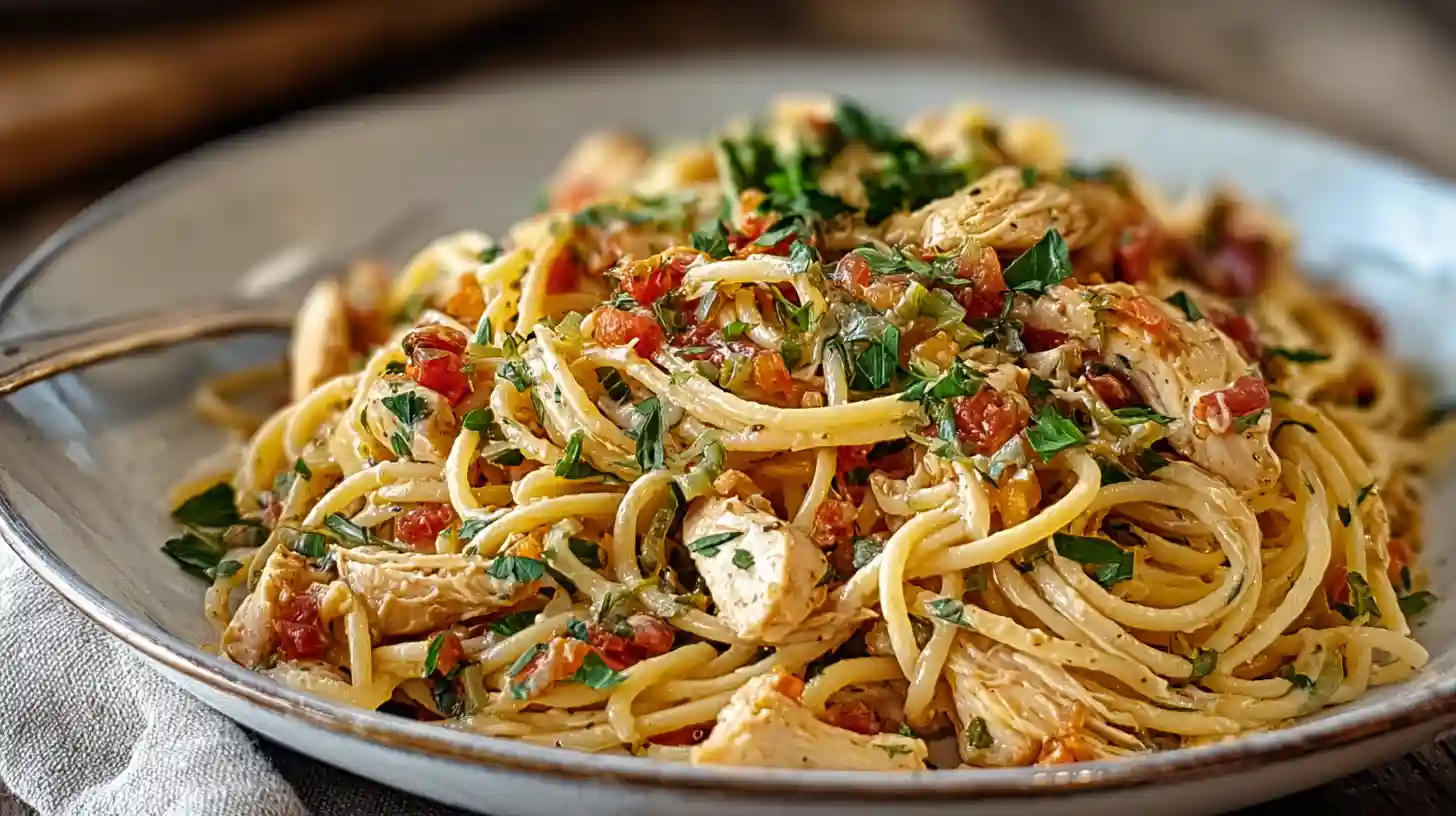

Monterey Chicken Spaghetti
Ingredients
Equipment
Method
- Cook spaghetti according to package directions until al dente. Drain and set aside.
- Heat olive oil in a large skillet over medium heat. Add chopped onion, bell pepper, and sliced mushrooms. Sauté for 5-7 minutes until vegetables are soft and slightly browned. Season lightly with salt and pepper.
- Add cream of chicken soup, sour cream, garlic powder, onion powder, and milk to the skillet with vegetables. Stir until smooth and well combined. Cook for 2-3 minutes until heated through.
- Add shredded chicken and 1/2 cup of Monterey Jack cheese to the sauce. Stir well and cook for 2-3 minutes until cheese melts and chicken is heated through.
- Add cooked, drained spaghetti to the skillet. Toss until pasta is well coated with sauce.
- For stovetop version: Top with remaining cheese, cover, and let sit 2 minutes until cheese melts. Serve immediately.
- For baked version: Preheat oven to 350°F. Transfer pasta mixture to a greased 9×13-inch baking dish. Top with remaining 1/2 cup Monterey Jack cheese and 1/2 cup cheddar cheese.
- Bake for 20-25 minutes until cheese is melted and bubbly. Optional: broil for 2-3 minutes for golden, crispy top.
- Let rest 5 minutes. Garnish with fresh parsley and serve warm.