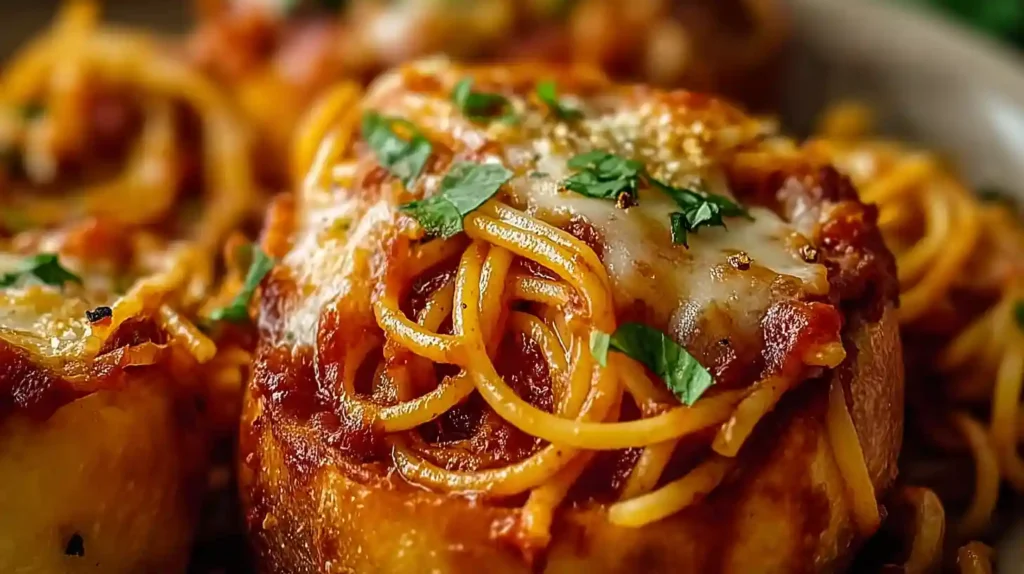
Sometimes the best meals aren’t the ones that require elaborate techniques or expensive ingredients – they’re the ones that take familiar comfort foods and bring them together in unexpected ways. Spaghetti garlic bread is exactly that kind of recipe, a beautiful marriage of two Italian-American classics that most of us grew up loving separately. I’ll never forget the first time I made this combination at home after seeing something similar at a casual Italian restaurant. My kids were skeptical at first, wondering why we needed garlic bread with spaghetti when we usually had one or the other, but after that first bite everything changed. The way the garlicky, buttery bread complements the simple but perfectly seasoned pasta creates something that’s somehow more satisfying than either dish alone. This isn’t complicated cooking – it’s about taking the time to make each element properly and understanding how they work together. The spaghetti gets tossed with olive oil, garlic, and Parmesan to create a light but flavorful coating, while the garlic bread emerges from the oven golden and crispy on the outside, soft and garlicky on the inside. Together, they create a meal that feels both nostalgic and exciting, the kind of dinner that disappears quickly and gets requested again and again. Whether you’re feeding a hungry family on a busy weeknight or looking for crowd-pleasing food for casual entertaining, this combination delivers comfort, flavor, and satisfaction every single time.
Why This Combination Works
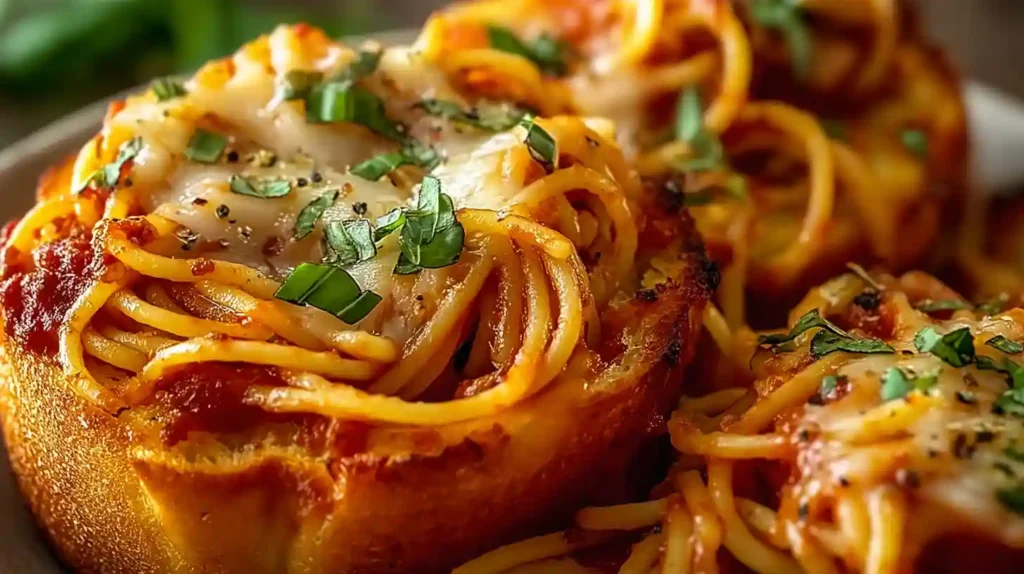
The genius of serving spaghetti alongside garlic bread isn’t just tradition – there’s real culinary logic behind why these two dishes complement each other so perfectly. The spaghetti in this recipe is kept relatively simple, tossed with garlic-infused olive oil, fresh parsley, and Parmesan cheese. This light preparation lets the pasta shine without overwhelming sauces. The garlic bread provides textural contrast that makes the meal more interesting. The crispy, buttery bread gives you something to bite into that’s completely different from the soft pasta, keeping every bite engaging.
The garlic thread running through both components creates cohesion without monotony. The raw garlic sautéed with the pasta has a bright, sharp bite that mellows as it cooks, while the roasted garlic in the bread becomes sweet and mellow in the oven. These different expressions of the same flavor create depth and complexity. The Parmesan in both dishes ties everything together with its nutty, salty richness. The butter-soaked bread also serves a practical purpose – it’s perfect for soaking up any garlicky oil left on your pasta plate, ensuring nothing goes to waste. This combination satisfies both carb cravings and the desire for varied textures, making it more satisfying than pasta or bread alone could ever be.
Choosing and Cooking Your Pasta
Starting with good pasta makes a real difference in this simple dish. While any dried spaghetti will technically work, brands made in Italy from high-quality durum wheat have better texture and flavor. Look for pasta that has a slightly rough, matte surface rather than being perfectly smooth and shiny. That roughness helps sauce cling better. De Cecco, Barilla, and Rustichella d’Abruzzo are all excellent choices. One pound of pasta serves about four to six people depending on appetite and what else you’re serving.
Cooking pasta properly is crucial and starts with using enough water. You need at least four quarts of water per pound of pasta – using too little makes the pasta crowded and more likely to stick together. Bring the water to a full rolling boil before adding the pasta. Add salt generously – about two tablespoons per four quarts of water. The water should taste noticeably salty, like the sea. This is your only opportunity to season the pasta itself, and under-salted pasta tastes flat no matter what you do to it later.
Add the pasta all at once and stir immediately to prevent sticking. Check the package directions for cooking time but start tasting a minute or two before the suggested time. You want the pasta al dente, which means tender but with a slight firmness when you bite through it. There should be no hard, chalky center, but it shouldn’t be mushy either. Before draining, scoop out about a cup of the starchy pasta cooking water – this is liquid gold for creating a silky sauce. Drain the pasta quickly in a colander but don’t rinse it. That starchy coating helps everything cling together.
Creating the Garlic Oil Sauce
The sauce for this spaghetti is incredibly simple but requires attention and good timing. Heat olive oil in a large skillet over medium heat – you want a generous quarter cup for one pound of pasta. Don’t skimp on the olive oil; it’s the base of your sauce and carries all the flavor. Use good-quality extra virgin olive oil with flavor you actually enjoy. If your olive oil tastes bitter or rancid on its own, it will taste that way in your pasta. While the oil heats, mince your garlic cloves finely. For one pound of pasta, six cloves provides noticeable garlic flavor without being overwhelming. Adjust based on your garlic preferences.
When the oil is hot but not smoking, add the minced garlic. This moment requires your full attention. You want to cook the garlic just until it becomes fragrant and starts turning golden around the edges – usually about one to two minutes. Stir constantly to prevent burning. If the garlic burns, it will taste bitter and you’ll need to start over. Remove the pan from heat if it’s cooking too fast. If you like a little heat, add red pepper flakes along with the garlic. A quarter to a half teaspoon provides gentle warmth without making the dish spicy.
Immediately add the drained spaghetti to the garlic oil, tossing to coat every strand. The residual water clinging to the pasta will help distribute the oil. Pour in about half a cup of the reserved pasta water and toss vigorously. The starchy water emulsifies with the oil to create a light, silky sauce that coats the pasta beautifully. If the pasta seems dry, add more water a tablespoon at a time until you achieve a glossy coating. Stir in chopped fresh parsley and grated Parmesan, then season with salt and pepper. The Parmesan melts into the hot pasta, adding creaminess and depth. Taste and adjust seasoning before serving.
Selecting the Right Bread
The bread you choose for garlic bread matters tremendously. Italian or French bread with a good crust and soft interior works best. Look for a loaf that’s about two feet long and has a substantial crust that will get crispy in the oven. The interior should be soft and airy with some chew, not dense and heavy. Avoid pre-sliced bread, which tends to dry out and won’t absorb the garlic butter as well. Fresh bread from a bakery is ideal, but good-quality store-bought Italian bread from the bakery section works perfectly fine.
The bread should be sturdy enough to support generous amounts of garlic butter without getting soggy, but not so crusty that it’s hard to bite through. Sourdough makes excellent garlic bread with its tangy flavor complementing the garlic beautifully. Ciabatta works well too, with its open crumb structure that soaks up the butter nicely. Avoid soft sandwich bread or rolls, which don’t have enough structure. The bread shouldn’t be overly fresh and soft – day-old bread actually works better because it’s slightly drier and absorbs the butter more readily without becoming mushy.
To prepare the bread, slice it lengthwise down the middle, creating two long halves. Cut almost all the way through but leave the two halves connected at one side if you prefer, or cut completely through if that’s easier for spreading and serving. Some people prefer to slice the bread into individual pieces before baking, which makes serving easier but can result in slightly drier edges. Slicing lengthwise and then cutting after baking gives you more control and helps the bread stay moist.
Making Perfect Garlic Butter
The garlic butter is where garlic bread gets its character, so making it properly is essential. Start with one cup of unsalted butter – that’s two sticks – at room temperature. The butter needs to be soft enough to spread easily but not melted. Leave it out on the counter for about an hour before you plan to make the garlic bread. If you forgot to soften it, you can carefully microwave it for ten to fifteen seconds, but be careful not to melt it completely. Melted butter will soak into the bread differently and won’t give you the same results.
Mince eight cloves of garlic very finely. The finer you mince it, the more evenly it will distribute through the butter and the more flavor you’ll extract. You can also use a garlic press or microplane for an even finer consistency. Some people prefer larger chunks of garlic for more intense bites of garlic flavor – it’s a matter of preference. Add the minced garlic to the softened butter along with a quarter cup of freshly chopped parsley. The parsley adds color, freshness, and a slight herbal note that balances the richness. You can use flat-leaf or curly parsley; flat-leaf has slightly better flavor but either works.
Add a quarter cup of grated Parmesan cheese to the butter mixture. The Parmesan adds savory, umami depth and helps create a golden crust. If you want even more garlic intensity, add a quarter teaspoon of garlic powder along with the fresh garlic. Season with salt and freshly ground black pepper. Use less salt than you might think since the Parmesan is already salty. Mix everything together thoroughly with a fork or wooden spoon until completely combined and uniform. The butter should be smooth and evenly speckled with green parsley and garlic. You can make this butter ahead and refrigerate it for up to three days – just bring it back to room temperature before spreading.
Baking the Garlic Bread
Preheat your oven to 375°F, which is hot enough to crisp the bread and melt the butter without burning. While the oven heats, spread the garlic butter generously over the cut sides of your bread halves. Don’t hold back – you want enough butter to soak into the bread and create that irresistible garlicky richness. Make sure to spread the butter all the way to the edges so every bite has flavor. Use an offset spatula or butter knife to get into all the nooks and crannies. The butter should be thick enough that you can see it on the bread, not just a thin glaze.
Place the bread halves cut-side up on a baking sheet. A rimmed baking sheet works best to catch any butter that might drip. You can line it with foil or parchment paper for easier cleanup, though it’s not necessary. Slide the baking sheet into the preheated oven and bake for ten to twelve minutes. You want the bread golden brown on top and the garlic butter melted and bubbling. The edges should be crispy while the center remains soft. Keep an eye on it, especially toward the end, as ovens vary and the bread can go from perfect to burnt quickly.
For extra crispy garlic bread with deep golden color, turn on the broiler for the last one to two minutes of cooking. Move the pan to the top rack, about six inches from the broiler element, and watch it like a hawk. The butter will bubble vigorously and the top will brown quickly. This step is optional but creates that restaurant-quality crispy top that many people love. Remove the bread from the oven when it reaches your desired level of brownness. Let it cool for just a minute or two before slicing into individual pieces with a serrated knife. Serve immediately while the bread is hot and the butter is still melty.
Timing and Serving
Getting both components ready at the same time requires a little planning but nothing complicated. Start by putting your pasta water on to boil – this takes the longest. While the water heats, prepare your garlic butter and spread it on the bread. Once the bread is prepped, put it in the oven. At this point, your pasta water should be boiling or close to it. Add the pasta and set a timer according to package directions. While the pasta cooks, you have time to mince the garlic for the pasta sauce and chop the parsley. The bread and pasta should finish at about the same time if you time it right.
When the pasta is done, drain it and immediately toss it with the garlic oil sauce. Check on the garlic bread – it might be done already or need another minute or two. By the time you’ve finished seasoning the pasta and portioning it onto plates, the bread should be ready to come out of the oven. Cut it into pieces and arrange them on a serving platter or basket lined with a clean kitchen towel to keep them warm. Serve everything immediately while it’s hot. The pasta is best when it’s steaming, and the garlic bread loses its magic as it cools and the butter solidifies.
For serving, I like to give everyone their own plate of pasta and put the garlic bread in the middle of the table so people can help themselves. Have extra grated Parmesan on the table along with red pepper flakes for those who want more heat. A simple green salad with a light vinaigrette makes a nice accompaniment, adding freshness and crunch that contrast with the rich carbs. A crisp white wine like Pinot Grigio or a light red like Chianti pair beautifully. For non-alcoholic options, sparkling water with lemon or iced tea work well.
Variations and Additions
This basic combination welcomes all sorts of variations depending on your mood and what you have on hand. For the pasta, you can add vegetables to make it more substantial and nutritious. Sautéed mushrooms bring earthy flavor and meaty texture. Add them to the skillet after the garlic and cook until golden before adding the pasta. Cherry tomatoes halved and tossed with the hot pasta will soften slightly and add bright acidity. Spinach wilts beautifully when stirred into the hot pasta at the last minute, adding color and nutrition without much effort. Baby arugula added just before serving provides peppery bite and stays crisp.
For protein, this pasta pairs well with simple grilled chicken breast sliced and served on top. Pan-seared shrimp tossed with the pasta turns it into a more elegant dish. Italian sausage removed from its casing, browned, and crumbled over the top adds heartiness and spice. Anchovies melted into the garlic oil create a traditional Italian preparation with deep, savory flavor. You can also add different herbs to both the pasta and the bread. Fresh basil instead of parsley gives a sweeter, more aromatic profile. Oregano adds earthy, pizza-like flavor. Fresh thyme or rosemary work beautifully in the garlic butter.
For the garlic bread, try different cheese variations. Mozzarella melted on top creates a cheesy, stretchy experience. Mix the mozzarella with the Parmesan for the best of both worlds. Provolone adds sharp, tangy flavor. Asiago brings nuttiness similar to Parmesan but with a different character. For a truly decadent version, make cheesy garlic bread by sprinkling shredded cheese over the buttered bread before baking. The cheese melts and browns, creating crispy edges and gooey centers. You can also add a sprinkle of Italian seasoning or everything bagel seasoning to the garlic butter for extra complexity.
Make-Ahead and Storage
While this meal is best served fresh, you can do quite a bit of prep ahead to make day-of assembly quicker. The garlic butter can be made up to three days in advance and stored in an airtight container in the refrigerator. Bring it to room temperature before spreading on the bread so it spreads easily. You can even spread the garlic butter on the bread, wrap it tightly in foil, and refrigerate it for several hours before baking. Just add a few extra minutes to the baking time since it’s starting cold. The garlic butter also freezes beautifully for up to three months – shape it into a log, wrap it in plastic wrap and then foil, and slice off what you need.
For the pasta, you can cook it a few hours ahead, toss it with a little olive oil to prevent sticking, and store it covered at room temperature. Reheat it quickly in boiling water for thirty seconds to a minute, then drain and toss with the garlic sauce. The sauce ingredients can be prepped ahead – mince the garlic, chop the parsley, and grate the cheese in the morning or even the night before. Store everything in separate containers in the refrigerator until ready to use. With all this prep done, you can have dinner on the table in about fifteen minutes.
Leftover pasta can be stored in an airtight container in the refrigerator for up to three days. Reheat it gently in a skillet with a splash of water or broth, adding a little butter or olive oil to refresh it. It won’t be quite as good as fresh, but it’s still delicious. Leftover garlic bread can be wrapped and stored at room temperature for a day or refrigerated for up to three days. Reheat it in a 350°F oven for about five minutes to crisp it up again. You can also freeze leftover garlic bread wrapped tightly in foil for up to three months. Reheat from frozen in a 350°F oven for about fifteen minutes.
Common Mistakes and Solutions
The most common mistake with this recipe is overcooking the pasta. Mushy pasta is disappointing and can’t be fixed, so taste it frequently as it cooks and drain it as soon as it reaches al dente. Remember it will continue cooking slightly from residual heat after draining. Another frequent error is burning the garlic in the oil. Garlic cooks quickly and turns bitter when burnt. Keep the heat at medium, watch it constantly, and remove the pan from heat if needed. If you do burn the garlic, start over – there’s no saving it. Using too little salt is also common. The pasta water needs to be generously salted, and you should taste and adjust seasoning at the end. Under-seasoned pasta tastes bland no matter how good your other ingredients are.
For the garlic bread, using butter that’s too cold makes it hard to spread evenly, while butter that’s too soft or melted soaks into the bread differently and doesn’t create the same texture. Room temperature butter spreads perfectly and creates the best results. Another mistake is not using enough garlic butter. Don’t be shy – you want a generous, visible layer. Using too little results in dry bread with weak garlic flavor. Overbaking the bread is easy to do if you’re not paying attention. Set a timer and check the bread frequently toward the end of baking. It should be golden and crispy but not dark brown or burnt.
If your pasta seems dry and the sauce isn’t coating it properly, you probably didn’t reserve enough pasta water or didn’t add enough of it. That starchy water is crucial for creating a silky sauce that clings to the pasta. Start with half a cup and add more as needed until you achieve the right consistency. If the garlic bread is soggy rather than crispy, your oven wasn’t hot enough or you didn’t bake it long enough. Make sure the oven is fully preheated to 375°F before putting the bread in. If your pasta and bread aren’t finishing at the same time, don’t worry – you can hold the bread warm in a low oven or the pasta warm in the pot with a little pasta water.
Nutrition and Dietary Considerations
This meal is unapologetically carb-forward and rich, designed for comfort rather than virtue. A typical serving of pasta with several slices of garlic bread contains around six hundred fifty to seven hundred fifty calories, depending on portion sizes. The majority of those calories come from the pasta and bread themselves, with significant contributions from the butter and olive oil. This is not light food, but it is satisfying and filling, and there’s nothing wrong with enjoying it as an occasional indulgence. The Parmesan provides some protein and calcium, while the parsley adds small amounts of vitamins A and C. The garlic offers various health benefits including potential anti-inflammatory and immune-supporting properties.
To lighten the dish without sacrificing too much flavor, use whole wheat pasta for added fiber and nutrients. The flavor will be slightly nuttier and the texture a bit different, but it works well. Reduce the butter on the bread by half and use more garlic and herbs for flavor. Choose a lighter bread like a baguette which has less interior crumb to soak up butter. Add lots of vegetables to the pasta to increase volume and nutrition without adding many calories. Sautéed zucchini, bell peppers, mushrooms, and spinach all work beautifully. Serve smaller portions of pasta and bread with a large salad to create a more balanced plate.
For dairy-free versions, the pasta is easily adapted – just use olive oil and skip the Parmesan, or use a dairy-free Parmesan alternative. The garlic bread is trickier since butter is central to its character, but you can use dairy-free butter with surprisingly good results. For gluten-free diets, use gluten-free pasta and bread. The texture and flavor will be different, but the basic concept works. This dish can be made vegetarian easily (it already is) but making it vegan requires dairy-free butter and cheese alternatives. The pasta preparation itself is naturally quite light since it uses just olive oil rather than cream or heavy sauces.
The Joy of Simple Cooking
What makes spaghetti garlic bread so appealing isn’t novelty or complexity – it’s the way it celebrates simple ingredients prepared with care and attention. This meal reminds us that cooking doesn’t need to be complicated to be delicious and satisfying. The techniques involved – boiling pasta, sautéing garlic, spreading butter on bread – are fundamentals that every cook should master. Done properly, these basic techniques produce results that are far more impressive than their simplicity might suggest. There’s real pleasure in making something with your hands that feeds people you care about, especially when that something brings joy and comfort.
This combination also represents the best of Italian-American cooking, which takes Italian principles and ingredients and adapts them to American tastes and circumstances. Garlic bread itself isn’t traditional in Italy, where bread is typically served plain. But Italian-Americans created garlic bread by combining their love of garlic with the American abundance of butter, and it became a beloved classic. Pairing it with simple pasta tossed with garlic and Parmesan creates a meal that honors Italian flavors while being distinctly American in its execution and spirit. It’s food that doesn’t take itself too seriously, that’s meant to be enjoyed around a crowded table with people you love.
Frequently Asked Questions
Can I use pre-minced garlic from a jar?
Fresh garlic tastes significantly better and has more vibrant flavor than jarred minced garlic. Since garlic is so central to this recipe, using fresh makes a real difference. If you must use jarred garlic in a pinch, use about half the amount called for in fresh since jarred garlic has a sharper, sometimes harsher flavor.
What if my pasta water is too salty?
If you accidentally over-salt the pasta water, don’t worry too much – most of the salt stays in the water when you drain the pasta. You’ll need to be careful not to add much additional salt when seasoning the finished dish. Taste before adding any salt and let the Parmesan provide most of the saltiness.
Can I make this with other pasta shapes?
Absolutely. Linguine, fettuccine, angel hair, or bucatini all work beautifully with this garlic oil sauce. Shorter shapes like penne or rigatoni work too, though the sauce coats long pasta particularly well. Choose whatever shape you prefer or have on hand.
How do I prevent the garlic bread from getting soggy?
Use day-old bread rather than very fresh bread, as it absorbs butter better without getting soggy. Make sure your oven is fully preheated and hot enough to crisp the bread. Don’t cover the bread while baking – you want moisture to escape so the bread gets crispy. Serve it soon after baking while it’s still hot and crisp.
Can I use margarine instead of butter?
While you technically can, butter provides significantly better flavor and texture. The richness of real butter is part of what makes garlic bread so delicious. If you need dairy-free, use a high-quality dairy-free butter rather than margarine, which doesn’t taste as good and has a different melting point.
Why does my pasta stick together?
You’re either not using enough water, not stirring the pasta immediately after adding it to the pot, or rinsing the pasta after draining (which you shouldn’t do). Make sure you’re using at least four quarts of water per pound of pasta and stir well right after adding the pasta to prevent sticking.
Can I make the garlic bread in an air fryer?
Yes, air fryers work well for garlic bread. Prepare the bread as directed, then air fry at 350°F for about five to seven minutes, checking frequently. The smaller space of the air fryer means the bread browns quickly, so watch it carefully to prevent burning. You may need to work in batches depending on your air fryer size.
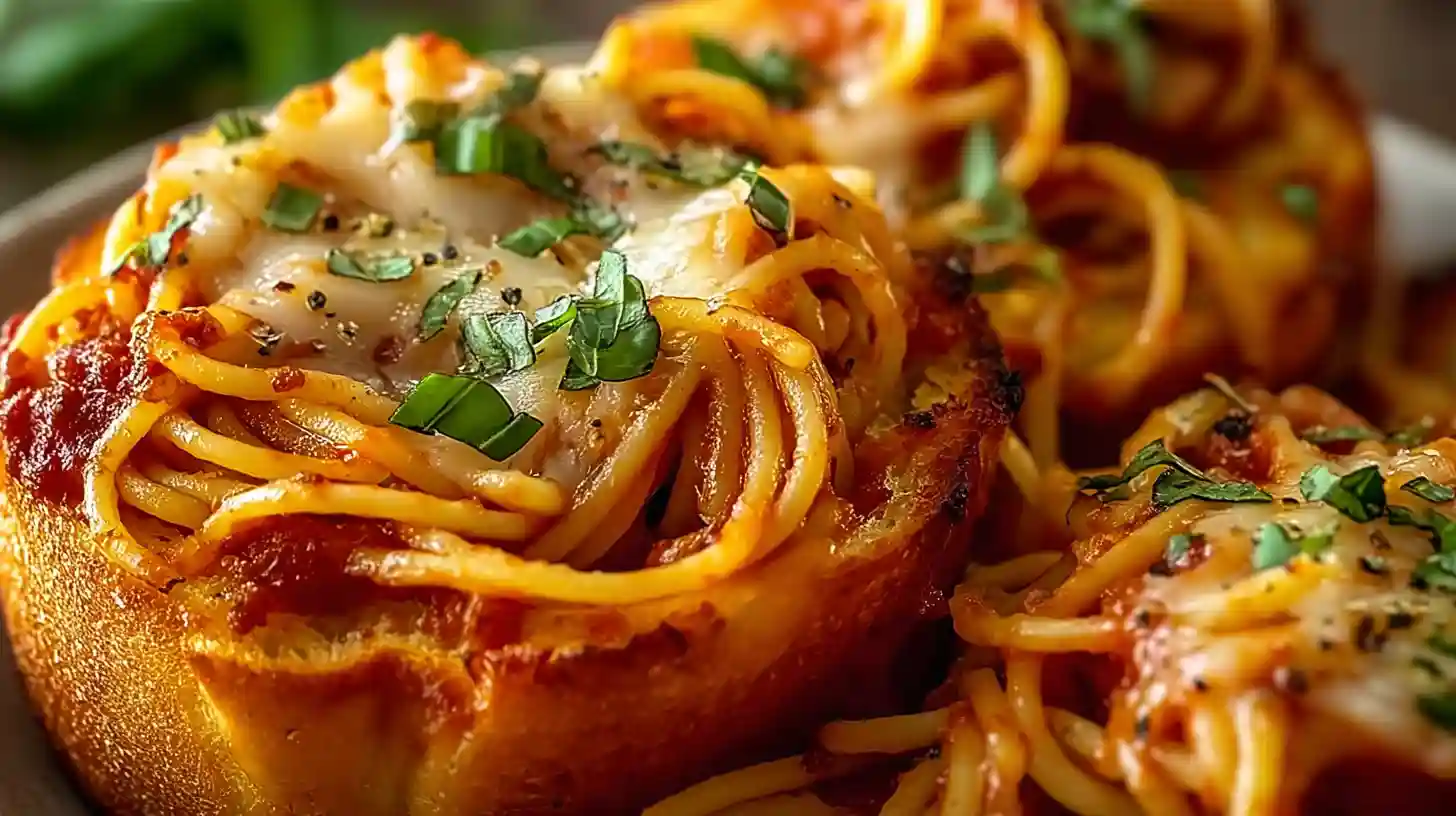

Spaghetti Garlic Bread
Ingredients
Equipment
Method
- Bring 4 quarts of water to a rolling boil in a large pot over high heat. Add 2 tablespoons of salt.
- Add spaghetti to boiling water. Stir immediately to prevent sticking. Cook according to package directions (8-10 minutes) until al dente. Reserve 1 cup of pasta water before draining.
- Drain spaghetti in a colander. Do not rinse.
- Preheat oven to 375°F (190°C).
- In a medium bowl, combine softened butter, 8 cloves minced garlic, 1/4 cup chopped parsley, 1/4 cup Parmesan cheese, and garlic powder if using. Season with salt and pepper. Mix well until smooth.
- Slice Italian bread lengthwise, creating two long halves. Generously spread garlic butter mixture over the cut sides of both bread halves.
- Place bread halves cut-side up on a baking sheet. Bake for 10-12 minutes until golden brown and butter is melted and bubbly. Optional: broil for 1-2 minutes for extra crispiness.
- While bread bakes, heat olive oil in a large skillet over medium heat. Add 6 cloves minced garlic and red pepper flakes if using. Sauté for 1-2 minutes until fragrant and lightly golden. Do not burn.
- Add drained spaghetti to skillet with garlic oil. Toss to coat. Pour in 1/2 cup reserved pasta water. Toss again, adding more pasta water as needed until sauce coats pasta nicely.
- Stir in 1/4 cup chopped parsley and 1/4 cup Parmesan cheese. Season with salt and black pepper to taste. Toss until cheese melts and sauce is creamy.
- Remove garlic bread from oven and let cool slightly. Slice into individual pieces.
- Divide spaghetti among plates. Sprinkle with extra Parmesan and parsley if desired. Serve immediately with warm garlic bread on the side.